Bitcoin Insights & Updates

Why Google Scholar is your quiet room for Bitcoin facts

If you’re new to Bitcoin, start with tools you already trust: Google Scholar and Google’s learning programs
Bitcoin feels big and new. It also feels noisy. Everyone has an opinion, and a lot of it sounds like hype.
So where do you start if you just want calm, clear facts?
A smart first step is to lean on tools you already know and trust, like Google Scholar and Google’s own learning programs.
Why Google Scholar is a great first stop
When you search for “Bitcoin” on YouTube or social media, you often get:
- Big promises
- Trading “signals”
- Confusing jargon
The problem is, you do not know who to trust.
Scholar Google solves a different job. Google Scholar is built to help you find:
- Academic papers
- University research
- Serious books and reports
This type of content is usually written by people who study money, computer science, or law. It may not be as “fun” as a flashy video, but it is much better when you want:
- Solid definitions, not rumors
- Real risk explanations
- Long term views, not quick wins
You can use Google Scholar to look up simple questions like:
- “What is Bitcoin?”
- “How does Bitcoin work?”
- “Bitcoin security”
Even if some papers are advanced, reading the abstract and conclusion alone can give you calm, balanced insight.
To make what you read stick, it helps to learn in small, regular chunks.
 Research on microlearning and spaced repetition shows that short lessons spaced over time can boost how much you remember and apply in real life, compared to long, one time study sessions. This style leads to stronger memory and better use of what you learn in the real world, especially for busy adults who learn online according to microlearning research.
That is exactly the kind of rhythm you want when you start with Bitcoin.
If you like this slow and steady approach, you may also find value in the free Clicks and Trades newsletter, which shares short, step by step Bitcoin tips in plain language.
 You can check it out through Clicks and Trades whenever you are ready.
How Google’s courses can make you a safer Bitcoin user
Learning Bitcoin is not only about “what is Bitcoin.” It is also about:
- How to spot scams
- How to protect your accounts
- How to think about data and risk
This is where Google certification courses can quietly help.
Google offers Google courses and Google free certification courses in areas like:
- Cybersecurity
- Data analytics
- Cloud and IT support
These are not “Bitcoin classes,” but the skills you build can make you a safer and more confident Bitcoin user. For example:
- A basic security certificate teaches you about strong passwords, phishing, and two factor logins, which are key when you hold or move Bitcoin.
- A simple data course trains you to read numbers and charts more clearly, so you are less likely to fall for fake stats.
- A cloud or IT course gives you a better feel for how online systems work, which can make wallets and exchanges feel less scary.
In 2026, online learning that fits into short time blocks is often the most effective for adults, since it lets you learn in pieces and return later without losing track of what you learned as modern adult learning research explains.
So you can mix:
- Clear facts from Google Scholar
- Practical skills from Google certification courses
- Simple, Bitcoin specific lessons from focused platforms like Digest Bitcoin
All at your own pace.
One next step you can take today
If you want gentle, ongoing guidance while you explore tools like Google Scholar and Google’s learning programs, you can join the free Clicks and Trades email list. It sends short, friendly notes that help you:
- Understand Bitcoin without hype
- Stay safer online
- Build good learning habits over time
When you feel ready, you can Sign Up in just a minute and keep building your skills in small, steady steps.
Why Google Scholar belongs in your Bitcoin learning toolkit
If you feel lost in all the Bitcoin noise, google scholar can be your “quiet room.” It lets you step away from hype and into calm, careful research.
 Instead of hot takes, you get work from people who study money, tech, and law for a living. That is a much safer base for your learning.
What Scholar Google collects for you
Scholar Google is a search tool that focuses on serious writing. When you type in a topic, it finds:
- Research articles from journals
- Theses and dissertations
- Books and book chapters
- Conference papers and reports
So if you search “Bitcoin security” or “Bitcoin regulation,” you are not just getting ads and opinion pieces. You see what experts have tested, measured, and checked over time.
Guides to using Google Scholar well explain that it is built as an academic search engine, not a normal web search. That is why it is so useful for a high signal view of Bitcoin.
For you, this means:
- Less fluff, more facts
- Fewer wild claims, more real data
- A better sense of risk and limits, not only upside
This fits nicely with slow, steady learning tools like Digest Bitcoin, which already break ideas into small, easy steps. Scholar can support the facts, while short lessons help you actually understand them.
Simple ways to filter and find the good stuff
You do not need to be a professor to use google scholar well. A few simple tricks can help a lot.
Try searches like:
“what is bitcoin”“bitcoin storage security”“bitcoin regulation 2024”
Then use the tools on the left side of the page:
- Set a time range, like “Since 2020,” so you see newer work
- Click “Review” type papers when you can, since they often give helpful overviews
- Sort by date to see newer trends, or by relevance if you want key classics
Library guides show that google scholar supports search operators such as quotes for exact phrases and the minus sign to remove words, which helps you narrow results and cut out noise when you search for complex topics like Bitcoin as search tips from Lehigh University explain.
If you want to see step by step how this works on screen, you can also watch a short YouTube tutorial on effective Google Scholar use when you have time.
How to save, cite, and fit learning into a busy day
Most people who want to learn Bitcoin have jobs, kids, or school. You may not have hours to read. That is fine. Google scholar fits well into tiny study blocks.
Here is a simple workflow you can use:
-
Skim first
- Read just the title, abstract, and conclusion
- Ask, “Is this helpful for my current question?”
-
Save what matters
- Use the star icon in Google Scholar to save papers to “My Library”
- Make small folders like “Basics,” “Security,” and “Regulation”
-
Grab quick citations
- Click the quote mark under a result to see a simple citation
- Copy it into your notes if you track sources
-
Return later
- When you have 10 minutes, open your “Security” folder and read one abstract
- Add a one line takeaway in your own words
Guides to advanced searching in google scholar show that you can mix filters and search fields to focus on very narrow questions, which is ideal when your time is short and you want high quality hits fast according to the John S. Bailey Library’s advanced search guide.
If you like this “little bit each day” style, you will probably also enjoy the free Clicks and Trades newsletter. It sends short, plain language notes about Bitcoin and safety that match the same small step rhythm.
Putting it all together for Bitcoin
When you add google scholar to your Bitcoin learning toolkit, you get:
- A cleaner signal of what experts really say
- Fast ways to save and sort useful pieces
- Easy citations for your notes, reports, or conversations
- A habit of checking claims instead of just trusting them
You can then pair what you find in Scholar with:
- Beginner friendly explainers from Digest Bitcoin
- Skills from google courses and google certification courses
- Ongoing tips from Clicks and Trades in your inbox
If you want gentle help building that habit, you can Sign Up for the free Clicks and Trades emails. They will nudge you along with small, steady lessons that make it easier to use tools like google scholar with confidence while you learn about Bitcoin.
Key Google Scholar features that save beginners time
You do not need to know every trick in google scholar to save time. A few small features can clear the noise so you can focus on the Bitcoin basics that matter.
1. Use exact phrases to get cleaner results
When you put quotes around words, scholar google looks for that exact phrase. This cuts out a lot of random hits.
Try this:
- Type "what is bitcoin" to see clear beginner style papers
- Type "bitcoin storage security" if you care about how to keep coins safe
Guides to advanced searching in Google Scholar show that quotes are one of the best ways to make results more focused and less noisy. You get fewer pages, but the ones you see fit what you asked.
This fits well with small step tools like Digest Bitcoin and simple google courses or google certification courses. You can match one short lesson with one tight google scholar search and not drown in extra data.
2. Use the minus sign to remove junk
You can also tell google scholar what you do not want.
Use the minus sign right before a word:
- bitcoin regulation 2024 -ETF to hide papers that talk only about exchange traded funds
- bitcoin wallet -hardware if you want software wallet papers, not hardware ones
Library search tips note that the minus operator works in google scholar just like in normal Google search and can remove whole groups of results you do not need, which saves a lot of time when topics get wide and messy as shown in this Lehigh University guide.
If you like this idea of trimming the noise, you will also like the short, no fluff posts in the free Clicks and Trades newsletter. It uses the same “cut to the point” style for Bitcoin safety and basics.
3. Set alerts so new research comes to you
You do not have to keep checking scholar google every week. You can let new papers come to your email instead.
Here is how to use alerts:
- Search for a topic, like "bitcoin regulation"
- On the left or under the search bar, click "Create alert"
- Type your email and save
Now, when new papers match that search, you get a short email list. No need to open scholar and repeat the same search every time, which is a big help when you have work, family, or school.
You can make very focused alerts, like:
- "bitcoin custody" security
- "bitcoin" "anti money laundering"
This kind of drip feed is a nice match with google free certification courses or other steady learning plans. You get slow, regular updates instead of one huge firehose.
If you want someone to walk with you as you build these habits, you can also Sign Up for the free Clicks and Trades emails. They pair small tips on tools like google scholar with clear, beginner friendly Bitcoin lessons, so you can learn a bit at a time and still feel in control.
Step by step: Using Google Scholar to understand Bitcoin basics
Let’s walk through a simple, clear way to use google scholar so you can learn Bitcoin without feeling lost.
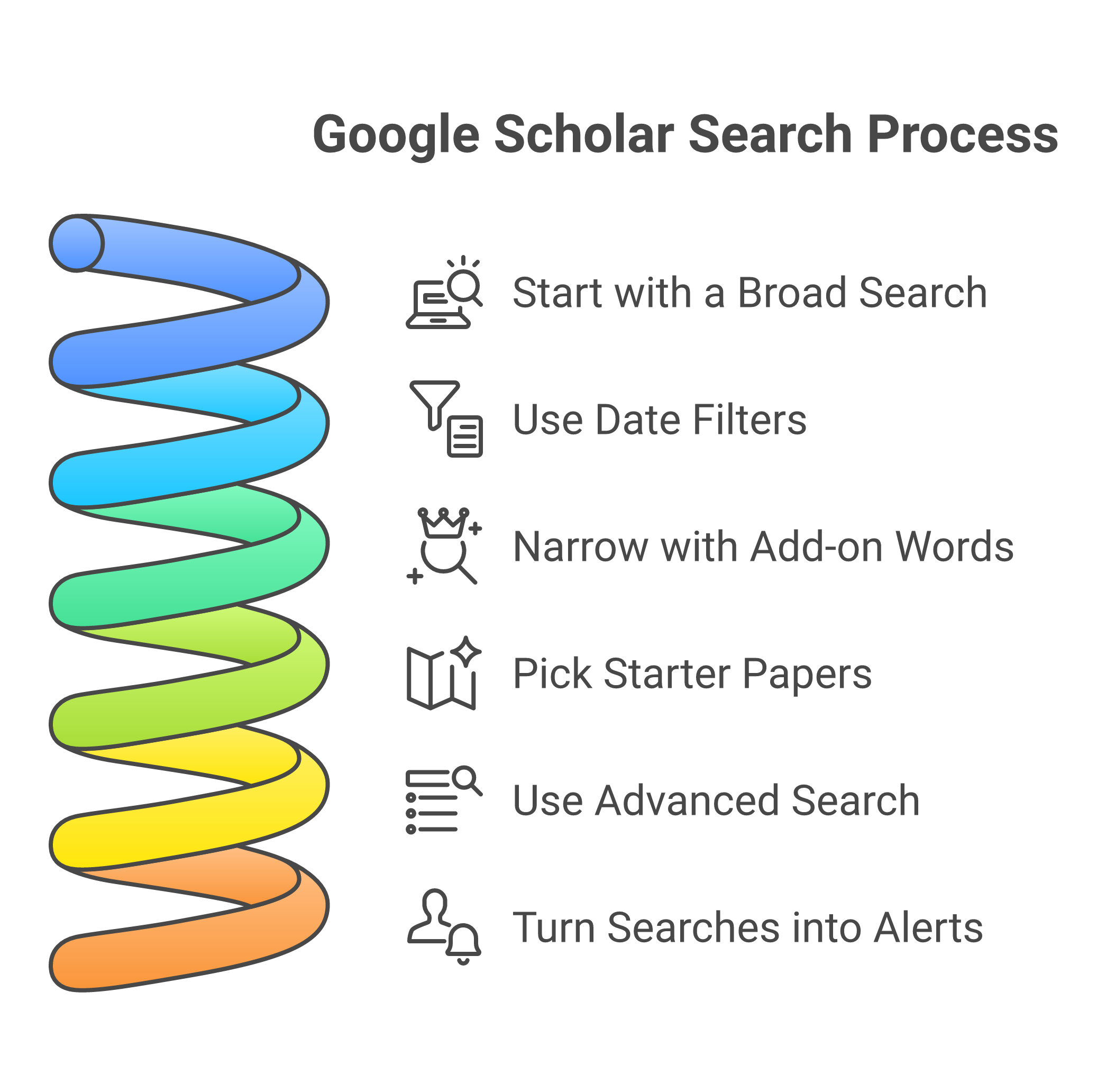 ### Step 1: Start with a broad search
-
Go to scholar.google.com.
-
In the search box, type something wide, like:
- bitcoin basics
- what is bitcoin
- introduction to bitcoin
-
Hit Enter and look at the first page of results.
Google scholar is built to find academic style work, like papers and theses, so it is a good place to get clear, non‑hype lessons about money topics in 2026. Guides such as the Paperpile google scholar guide show that basic keyword searches are the first step before you add any tricks.
Do not worry about reading every paper. For now, you just want to see what kinds of topics come up.
Step 2: Use date filters to keep it fresh
Bitcoin moves fast. Old papers can still help, but you do not want only work from 2012.
On the left side of scholar google, or under the menu:
- Click Since 2019 or type a custom range, like 2019 to 2026.
- Run the same search again.
Now your results focus on more recent work. Library guides note that using date filters is a simple but powerful part of advanced searching in Google Scholar.
You can repeat this for any topic:
- bitcoin wallet with dates set to the last 5 to 7 years
- bitcoin regulation with dates set to 2020 and later
This keeps your reading stack closer to how Bitcoin works today.
Step 3: Narrow with simple add‑on words
Next, make the search a bit more focused. Think in “buckets”:
- How Bitcoin works
- Why Bitcoin matters
- How to stay safe with Bitcoin
You can build searches like:
- bitcoin basics security
- bitcoin for beginners risk
- how bitcoin works transaction fees
You can also add AND between words, which boolean operator guides say helps combine ideas, such as:
- bitcoin AND beginner AND security
Each time, look at the titles and short snippets. If they feel too hard or too math heavy, tweak your words until the results sound closer to simple explainers.
If you are taking any google courses or working through google certification courses, you can match each lesson to one tight scholar search like this, so what you read in class and what you read in papers stays aligned.
Step 4: Pick your 3 to 5 “starter stack” papers
Now it is time to build a small reading list, not a huge pile.
For each search:
-
Scan the first page only.
-
Click papers that have titles like:
- “An Introduction to Bitcoin”
- “Understanding Bitcoin for Non‑Experts”
- “Security and Storage for Bitcoin Users”
-
Open them in new tabs.
-
From all of these, pick 3 to 5 that:
- Use clear language
- Explain ideas step by step
- Match your current questions
This is your starter stack. You do not need more right now. One strong guide to google scholar basics from Rush Library shows that having a small, focused set of papers is much easier to manage than trying to read every result you see in a search list, especially when you are just starting out with a topic like Bitcoin in 2026 as shown in this step by step scholar guide.
Keep your starter stack in a simple place:
- A folder in your browser
- A notes app
- A printed list with links
Then read them slowly, even one page at a time. This is a good match for digest style learning tools, like the short lessons you might see on a site such as Digest Bitcoin. You can pair one small reading from your starter stack with one short lesson and avoid overwhelm.
If you like clear, steady help with this kind of plan, the free Clicks and Trades newsletter shares step by step Bitcoin tips in the same slow and simple style.
Step 5: Use advanced search for one deep question
After you read your starter stack, you will have sharper questions. For example:
- “How safe is a bitcoin wallet?”
- “What rules might change how bitcoin is taxed?”
Now you can use a more focused search:
- Add quotes for exact phrases, as you learned before, like "bitcoin wallet security".
- Add a minus sign to remove what you do not want, for example bitcoin wallet security -exchange.
Search operator guides for Google search in 2026 explain that these small commands can filter a lot of noise in both google and google scholar, which keeps your results tight and relevant for your main question as explained in this operator overview.
This is where scholar google feels very strong. Each deep question gets its own careful search and you only save a few high value papers.
Step 6: Turn your starter stack into alerts
To keep learning without fresh searches every week, turn your work into alerts:
- In google scholar, run a search that matches your main beginner focus, like "bitcoin basics" or "bitcoin storage security".
- On the left side or under the search bar, click Create alert.
- Put in your email.
- Save.
Now, when new papers fit that search, scholar sends a small email. Guides on how to use google scholar say alerts are one of the best built in tools for ongoing learning as shared in this detailed google scholar guide.
Try making alerts for:
- "bitcoin regulation" 2020
- "bitcoin" AND "self custody"
These alerts build on your starter stack. Over time, you can add one or two new papers a month without any stress.
If you want help turning those alerts into a simple weekly habit, you can also Sign Up for the free Clicks and Trades emails. They fit well with google free certification courses and your google scholar alerts, since each email is short, clear, and built for busy people who want safe Bitcoin basics, not hype.
Source quality 101: How to evaluate Bitcoin research in minutes
Once you start finding papers in google scholar, the next big step is simple. You need to tell fast if a paper is worth your time.
You do not need to be a professor to do this. You just need a small checklist in your head.
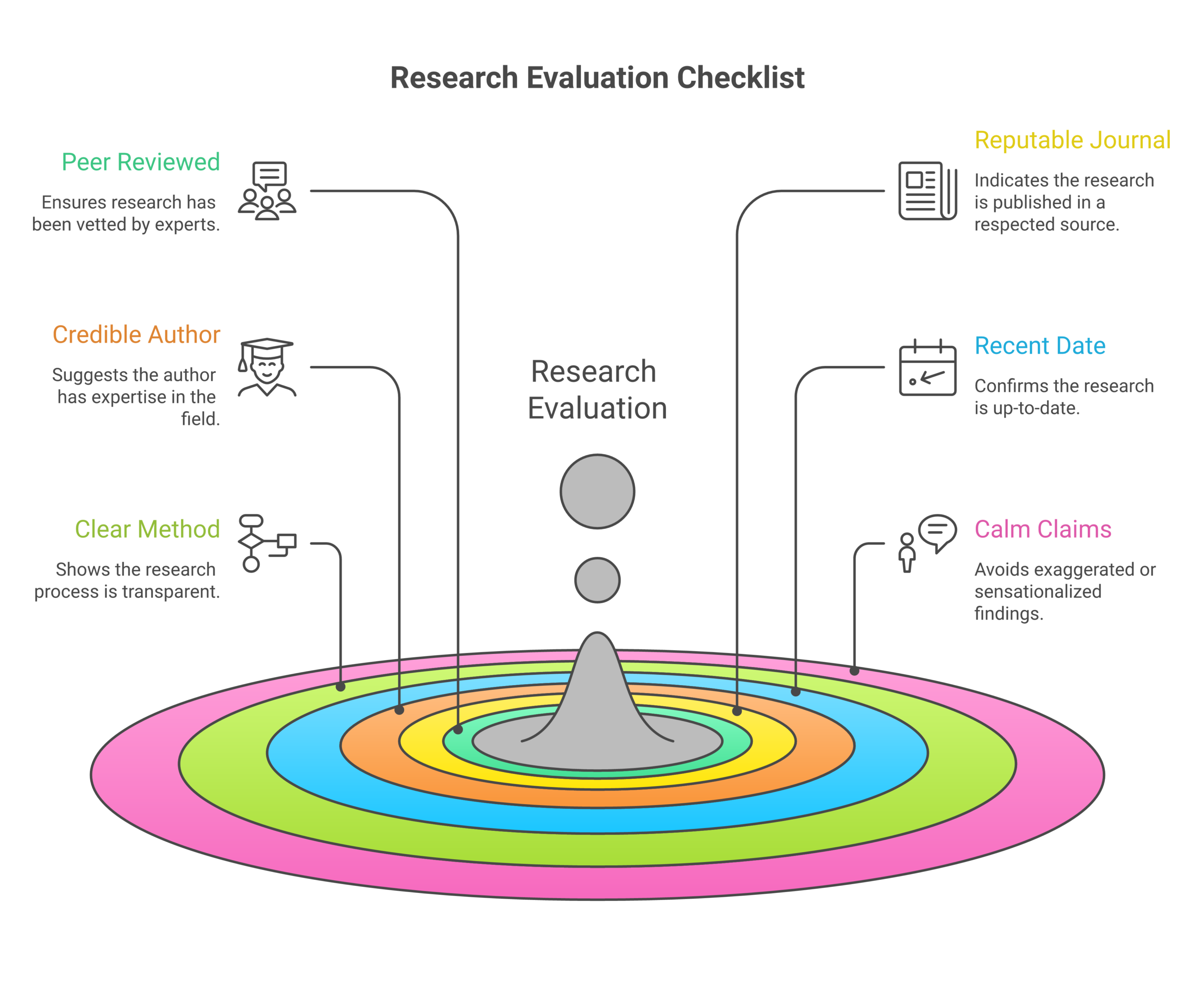 ### 1. Check if the paper is peer reviewed
Peer review means other experts read the work before it was shared. They check the math, the logic, and the claims.
When you open a result in scholar google, look for:
- The journal name under the title
- Words like “journal”, “review”, or “transactions”
- A note on the journal site that says “peer reviewed”
Library guides explain that a basic source evaluation checklist always starts with this kind of question about who checked the work.
If you cannot tell, search the journal name plus “peer reviewed” in a new tab. If the site is vague or has no info at all, be careful.
2. Look at the journal or conference
Good Bitcoin papers sit in good “homes”. Some signs of a solid venue:
- Clear “About” page
- Named editors and contact info
- Simple, public rules for how they review papers
- No wild promises, like “publish in 3 days, 100 percent accepted”
Helpful journal evaluation checklists show that strong journals have open, transparent rules for editors and authors.
Red flags:
- The site feels like a sales page
- Many spelling or layout errors
- Fees are bold and big, but review steps are tiny or unclear
These can point to “predatory” journals that take money and skip real review.
3. Scan the author details
Next, look at who wrote the Bitcoin paper.
Ask yourself:
- Do they list a university, research center, or well known company?
- Do they share an email that matches that place?
- Have they written other work on money, cryptography, safety, or law?
If the author has no clear background, or the only link is to a trading site that wants you to “get rich fast”, treat it as low trust.
You can click the author name in google scholar to see other papers they wrote. Over time this becomes easy, just like moving through lessons in google courses or google free certification courses.
4. Check the date and topic match
Bitcoin in 2013 was very different from Bitcoin in 2026. Older work can still help with basics, but it may miss new rules or tech.
So ask:
- Is this paper recent enough for my question?
- If I care about tax or law, is it at least from 2019 or later?
- If I care about “wallet security”, does the title really say that?
Use the date filter in scholar google, then double check the year on the journal page itself. A clear topic and a clear date that fits your search are both part of simple evaluation skills that guides on evaluating information stress.
5. Skim the method: can you see what they did?
You do not need to follow every formula. Just look for signs that the method is real, not magic.
Healthy signs:
- A “Methods” or “Data” section
- Details like sample size, time period, or tools used
- Clear steps that someone else could repeat
In many fields, checklists for good reporting, like this reporting checklist for complex models, say the same thing. A solid paper shows what it did in enough detail that another expert could test it.
Red flags:
- No method at all, just bold claims
- Phrases like “secret strategy” or “proprietary system” with no outline
- Only charts of profit, with no talk of risk or limits
If you cannot see how the authors got their numbers, do not trust big promises, especially with Bitcoin.
6. Watch the claims: too good to be true?
You are using google scholar to learn, not to chase hype. So read result and conclusion sections with care.
Be careful if:
- The paper promises “risk free profit”
- The language sounds like an ad, not calm research
- It pushes you toward one coin, one app, or one trading method only
Good research talks about limits, risk, and open questions. It does not give you a “sure thing”.
7. Use a tiny “checklist habit”
You can treat each paper like a mini school project. Before you add it to your starter stack, ask five short questions:
- Is it peer reviewed or from a known place?
- Does the journal or conference look real and transparent?
- Do the authors share real, clear backgrounds?
- Is the date recent enough for my Bitcoin question?
- Can I see the method and are the claims calm, not hype?
Students use similar checklists for projects and reports, like an IB IA checklist, to keep their work strong and honest. You can use a simple version for your reading.
If a paper fails two or more of your questions, skip it and move to the next google scholar result. There are many better options.
8. Build trust over time, not in one night
At first, this might feel slow. After a week or two, it will take you just a minute to scan a new Bitcoin paper and decide if it is worth a deeper read.
To make the learning side easier:
- Pair one good paper with one short, plain lesson from a beginner site like Digest Bitcoin.
- Use what you read in papers to shape what you look for in trusted guides and careful google certification courses.
If you want gentle help turning solid sources into clear next steps, you can also get simple, steady support by joining the free Clicks and Trades email list. The newsletter takes ideas from real research and turns them into tiny, safe actions for busy people.
Sign Up when you are ready, and keep using google scholar as your quiet, fact based partner in your Bitcoin journey.
From research to real life: Turn academic insights into safe Bitcoin habits
You now know how to use google scholar to spot better Bitcoin papers. The next step is simple. Turn what you read into small, safe habits you can use every day.
 You do not need to copy every formula. You just need to notice the big ideas that keep showing up.
Researchers use checklists all the time to turn ideas into action. Study guides talk about using a source evaluation checklist so you do not miss key steps. You can use the same idea for your Bitcoin life.
Let’s turn three common research themes into clear moves you can make.
1. Private key safety: protect the “keys to your house”
Many Bitcoin papers talk about “private keys”, “wallet security”, and “attack methods”. Here is what that means for you.
Big idea from research
If someone gets your private key, they can take your Bitcoin. No password reset. No bank to call. It is more like a house key than a login.
Simple habits
Turn that idea into this tiny checklist:
- Never share your seed phrase or private key with anyone
- Never type your seed phrase into a web page that you got from an email or ad
- Store your seed phrase on paper, in a safe place, not in your phone photos
- If an app or person asks for your seed phrase “to help you”, stop right away
Good security checklists in other fields say the same thing. They show clear steps that others can repeat and test, not magic tricks, which is also what strong reporting checklists ask for in research work on other topics like complex models in tech and health care reporting checklist example.
You can think of your own “private key checklist” as your home version of that idea.
2. Self custody: small steps, not one big jump
Another theme that shows up in scholar google results is “self custody” and “custodial risk”. In simple words, that means who is holding your coins.
Big idea from research
If you keep Bitcoin on an exchange, the exchange controls it. If the site is hacked or closed, you can lose access. If you hold your own keys, you have more control, but you must be careful.
Simple habits
Use this gentle starter plan:
-
Learn with tiny amounts
- Move a very small amount of Bitcoin to a wallet you control
- Practice sending it back and forth, like a drill
-
Write your steps down
- Make a short list of what you did, so you can do it again
- Keep that list away from your seed phrase
-
Move slow with bigger amounts
- When you feel calm and sure, move a bit more
- Stop if you feel rushed, confused, or scared
If you like clear, bite sized steps like this, a platform such as Digest Bitcoin can help you match what you learn from google courses, google certification courses, and google free certification courses with plain language lessons.
3. Scam and hype filter: a “no panic” rule
Research on money and risk talks a lot about bias, fear, and hype. A checklist can help here too. Education experts note that checklists are good tools to guide and judge choices in many fields, not only at school or in labs, since they keep your mind on key points when things feel fast or stressful evaluation checklists as tools.
Big idea from research
Fast choices and strong feelings are how many people get hurt with Bitcoin. Scam sites and fake “gurus” try to make you feel rushed.
Simple habits
Use this short “pause checklist” before any big move:
- If I see “risk free”, “guaranteed profit”, or “secret method”, I stop
- If I feel FOMO, fear, or greed, I wait at least 24 hours
- If someone wants my seed phrase or full access to my computer, I say no
- If I do not understand how the profit is made, I do not put money in
You can even print this and keep it near your computer, like students keep an IB IA checklist near their work.
4. Your personal “Bitcoin safety checklist”
Let’s put it all together. Use this before you take any new Bitcoin step:
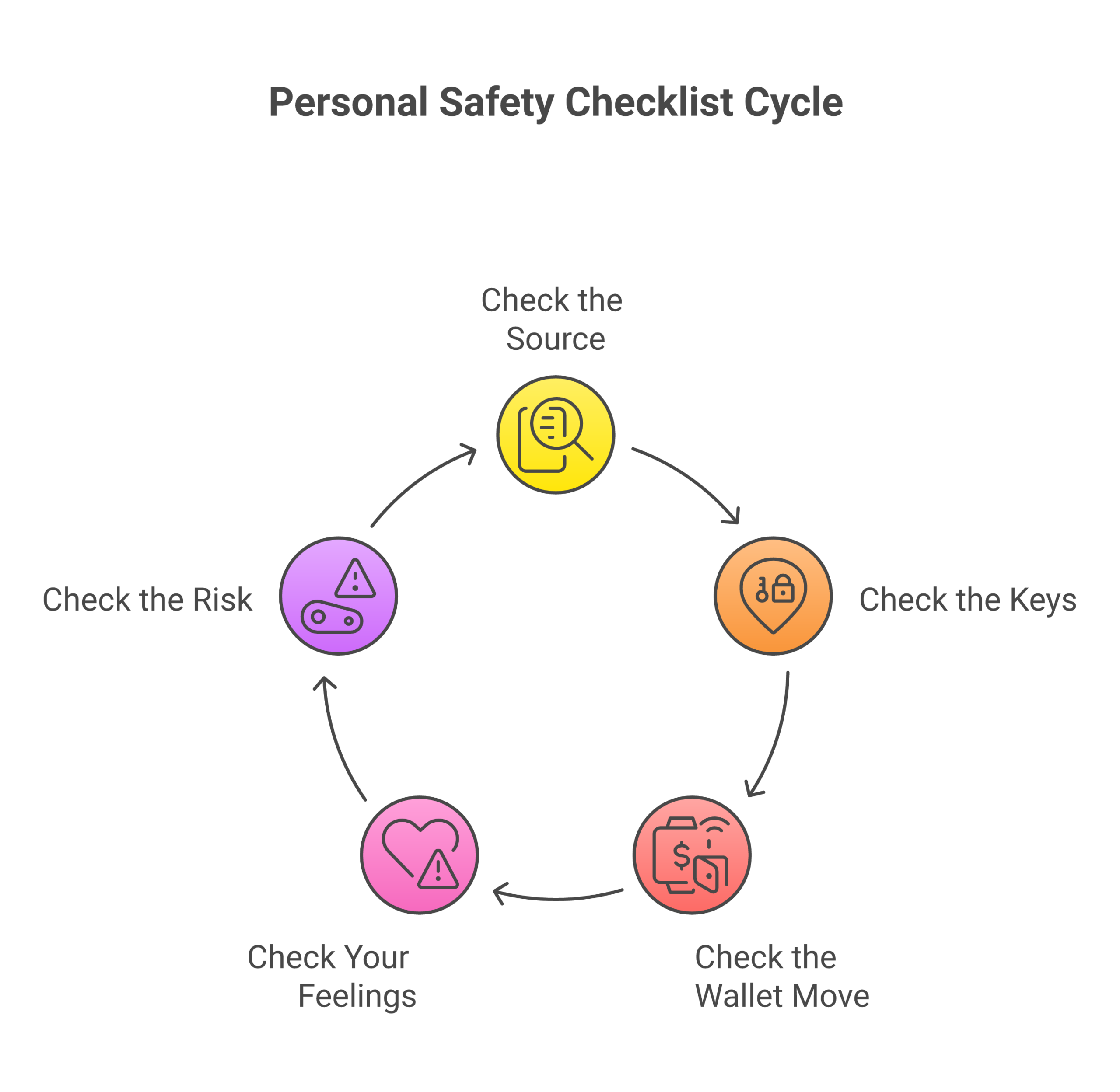 1. Check the source
- Did I learn this from google scholar or a known, slow, careful guide, not from a random ad?
-
Check the keys
- Am I keeping my private key and seed phrase hidden and safe?
-
Check the wallet move
- Am I starting small and writing down my steps?
-
Check my feelings
- Do I feel calm and clear, or rushed and hyped?
-
Check the risk
- Can I explain the risk and the worst case in one short sentence?
If you cannot say “yes” to all five, slow down. Read one more clear guide. Recheck your notes. Treat this like a tiny school project where you want to hand in work you feel proud of.
If you want steady, simple help turning research into habits like these, you can join the free Clicks and Trades email list. The team takes lessons from real Bitcoin studies and breaks them into tiny steps busy people can follow.
When you are ready, Sign Up for the free newsletter and let google scholar stay your quiet, fact based partner while the emails help you turn those facts into safe, real life Bitcoin habits.
Starter topics to search on Scholar (Bitcoin edition)
It is easy to feel lost when you first open google scholar. There are so many papers. So many big words. To keep it simple, you can start with a few “starter topics” that match the safety habits you just learned.
Think of these as safe search paths. You type them into scholar google, then look for clear, careful papers, not hype.
1. Bitcoin basics and network design
You want papers that explain what Bitcoin is and how the network works, not trading tricks.
Try search phrases like:
bitcoin protocol systematic reviewbitcoin network design surveybitcoin consensus mechanism overview
Look for words like “systematic review” or “survey” in the title. These are often high level papers that sum up many other studies in one place, which is great when you are new.
You can also add a year, like “2024” or “2025”, to find newer work. That helps you see how Bitcoin has changed over time and why it still stays a risky, moving market in 2026, as large firms note when they talk about bitcoin volatility in their investment trend reports.
2. Wallets, keys, and security
Since your private key is the “key to your house”, it makes sense to focus your google scholar searches on that part.
Try:
bitcoin wallet security systematic reviewprivate key management surveyhardware wallet security bitcoin
Read for simple ideas like:
- How many people lose coins from bad backups
- What common attack types look like
- What habits lower risk the most
If a paper feels too hard, you can skim the intro and the “conclusion” first. Then you can use a beginner site such as Digest Bitcoin to turn those big ideas into easy steps and drills that fit your day.
3. Market behavior and price risk
You do not need trading tricks, but you should know that price can move fast and why.
Good starter searches:
bitcoin pricing and analysis surveybitcoin market volatility systematic reviewbitcoin bubbles and crashes overview
For example, one paper on Bitcoin pricing and analysis looks at how the price moves, how people trade, and what that means for risk. You do not have to follow every math step. Just notice simple points like “price can swing a lot” and “past gains do not mean safe future gains”.
These ideas can help you size any Bitcoin amount small enough that a big drop would not break your life.
4. Behavior, hype, and social media
Some of the biggest dangers do not live in code. They live in feelings, friends, and feeds.
You can explore this with searches like:
bitcoin investor behavior surveysocial media sentiment bitcoin systematic review
One recent study on social networks and sentiment contagion in Bitcoin shows that people often change their price views to match what their friends feel, even when that feeling does not add new facts. That is a clear sign that your “no panic” checklist matters.
Reading work like this can remind you that:
- Your mood can push you to rush
- Group chat hype is not the same as proof
- Waiting 24 hours is often a smart move
5. How to turn searches into steady learning
You do not need to search every topic in one day. You can pick one from this list, run a google scholar search, read a “systematic review” or “survey” style paper, and then write one tiny habit from it.
If you like slow, calm, plain help with that, you can join the free Clicks and Trades newsletter. It takes ideas from research and from simple guides like google courses or google free certification courses, then breaks them into tiny, clear steps you can follow without study stress.
When you feel ready for gentle, step by step help, you can Sign Up for the free emails and let them guide you while you keep using google scholar as your quiet, trusted research tool.
Safety-first checklist inspired by scholarly findings
A lot of bitcoin papers on google scholar point to the same truth: simple safety steps beat clever trading tricks. Price can swing fast, as research on bitcoin pricing and risk shows, so your best “edge” is calm, steady habits.
Use this checklist as a short, weekly plan. Each item should take under 30 minutes.
1. Protect your keys with strong, simple passphrases
Your private key is the key to your house. Treat it that way.
Quick steps:
- Pick a long passphrase, not a short password
- Example: four or five random words and some numbers
- Do not reuse passwords from email, social, or work
- Store your main passphrase on paper, in a safe place, not in your phone notes
You can type “bitcoin wallet security survey” into scholar google to see how often weak passwords and reuse show up in loss stories.
2. Make calm, offline backups
People in many studies lose coins to simple mistakes, not hackers.
Keep it light:
- Write your wallet recovery phrase by hand, twice
- Put copies in two different safe spots, like a home safe and a trusted person’s safe
- Check once a month that you still know where both copies are
This can be a 10 minute Sunday habit.
3. Keep your phone and laptop clean
Apps are often the weak link, not bitcoin itself.
Once a week:
- Remove any app you do not use
- Update your wallet app, phone, and laptop
- Turn on screen lock and PIN if you have not already
If you ever feel unsure, a simple site like Digest Bitcoin can walk you through basic device safety in plain words, kind of like the way good google courses or google certification courses break down skills into steps.
4. Guard your mood, not only your money
Research on social networks and sentiment contagion in Bitcoin shows that people often copy their friends’ feelings about price, even when no new facts appear. That is where big mistakes begin.
So:
- When a friend yells “buy now” or “sell now”, wait 24 hours
- During that wait, read one calm paper on google scholar, or a short beginner guide
- Ask, “What facts changed, not just feelings?”
You can even keep a tiny “no panic” card near your desk with three lines: Wait. Read. Then act.
5. Size your bitcoin small enough to sleep well
Market outlook reports, like the 2026 trends on investment products, still remind investors that bitcoin is very volatile in 2026. Fast up, fast down.
A simple rule:
- Pick an amount where a 50 percent drop would sting, but not break your rent, food, or work life
- Check that number once every few months, not every day
If you want slow, steady help turning these ideas into tiny weekly steps, you can use google scholar for the “deep facts” and let a gentle guide handle the rest. The free Clicks and Trades newsletter does that work for you. It feels closer to google free certification courses in style, but focused on bitcoin safety instead of job skills.
When you are ready for calm, email based support, you can Sign Up for the free Clicks and Trades newsletter. It will help you turn what you read on google scholar into a simple, 30 minutes per week safety routine you can actually stick with.
Beyond Scholar: Google Books, Dataset Search, and Patents for context
Google Scholar is great, but it is not the whole story. If you only read short papers, you can miss key background. That is where tools like Google Books, Dataset Search, and Google Patents help. They fill in big gaps and give you more context before you move money.
You do not need to be a pro. You just need to know what each tool is good for.
Use Google Books to learn core ideas in plain chapters
Think of Google Books like a huge library you can search from your couch. Many books give slow, clear walks through:
- basic cryptography
- money history
- how markets work
- simple risk ideas
These are the “big picture” skills that make bitcoin papers on scholar google much easier to read.
You can:
- Search for words like “bitcoin cryptography for beginners” or “money history digital currency”
- Filter to “Preview” or “Full view” so you only see books you can read online
- Jump to a chapter that looks useful, instead of reading the whole book
Library guides show that Google Books advanced search lets you combine several filters, like words, author, date, and language, so you can quickly find the parts that match your level.
Here is one simple way to blend it with google scholar:
- Start with a short paper on scholar that looks too hard.
- Note key words that feel confusing, like “public key”, “hash”, or “volatility”.
- Type those words into Google Books with “for beginners” at the end.
- Read just one clear chapter that explains the idea with simple stories.
After that, go back to the paper. It will look less scary.
If you ever feel lost in all these tools, you can let a calm guide help. The free Clicks and Trades newsletter sends short lessons that feel more like google courses or even google free certification courses, but focused on bitcoin basics and safety instead of job skills.
Let Dataset Search give you real numbers, not just feelings
Price talk is loud. Feelings on social media move fast. To stay calm, it helps to look at real numbers. That is where Google’s Dataset Search comes in.
Dataset Search is like a special filter on top of Google. It helps you find:
- price data over many years
- on-chain activity counts
- survey data on crypto use
- risk and return tables
You can search for things like:
- “bitcoin daily price dataset”
- “crypto adoption survey dataset”
- “inflation and bitcoin returns data”
Then you can:
- download a simple CSV file
- open it in a spreadsheet
- look at long term trends instead of just this week
Guides on advanced Google search show how filters and special operators can give you more relevant results, not just random web pages. Those same search skills help you find cleaner datasets, from better sources.
You do not need to run fancy math. Even simple steps help, such as:
- Look at how often price drops 30 percent or more
- Check how long past bear markets lasted
- Compare bitcoin moves with stock market moves across years
When you see the hard data, it is easier to size your bitcoin small, like we talked about in the safety checklist. Data makes it feel less like a wild guess and more like a slow plan.
If you want gentle help turning raw numbers into simple lessons, the free Clicks and Trades emails can do that work for you in small bites. They fit well if you liked how google certification courses explain new tools in short, clear steps.
Use Google Patents to peek under the hood
Google Patents is a search tool for patent documents. That might sound boring, but it can help you spot real tech vs hype.
When you search patents around bitcoin and blockchain, you can see:
- what big firms are building
- how wallet hardware works
- ideas for security and privacy tools
- payment systems that may link with bitcoin in the future
You can search for words like:
- “hardware wallet seed storage”
- “multi signature bitcoin wallet”
- “blockchain payment system”
Patents can be long, but you do not have to read every word. Just scan:
- the abstract, which is the short summary
- a few images, to see how the system is set up
- the “claims” to see what is actually new
Patents help you:
- notice when a coin has no real tech behind the buzz
- understand why some wallet designs are safer
- see that real builders think in long time frames, not just this week’s price
If the language feels heavy, you can pair this with Google Books again. Look up simple chapters on basic cryptography or payments, then peek at a related patent. Over time, your “tech sense” will grow.
Put it all together for richer, safer learning
Here is one calm loop you can use in 30 to 60 minutes, once a week:
-
Start in google scholar
- Pick one short paper about bitcoin safety, risk, or use.
-
Jump to Google Books for background
- Read part of a chapter that explains a key idea from that paper.
-
Check Dataset Search for numbers
- Find one dataset that matches the topic, like price, users, or risk.
- Spend five minutes looking at the long term trend.
-
Glance at a related patent
- Look for one patent about wallets or payments that ties in with the same topic.
This mix gives you:
- theory from scholar
- story and context from books
- hard numbers from datasets
- real world tech from patents
Little by little, you build real skill, the kind you cannot get from price charts alone.
If you would like someone to walk beside you as you learn, with no rush and no jargon, the free Clicks and Trades newsletter was built for that. It feels like a friendly study buddy that helps you use tools like google scholar and Google Books without getting lost.
When you are ready to get step by step bitcoin lessons in your inbox, you can Sign Up for the free Clicks and Trades newsletter. It will help you turn all these search tools into a steady, low stress learning habit that fits into your week.
Google’s certification landscape in 2026: What actually helps a Bitcoin beginner
You might look at all the google certification courses in 2026 and think, “Do I need one of these just to use bitcoin safely?”
Short answer: no. You do not need a badge to read google scholar, open a wallet, or size a small test buy.
But some google courses can quietly make you safer. They build skills like basic security, data sense, and cloud use. Those skills carry over into how you read about bitcoin, how you store it, and how you spot hype.
What Google certificates are really for
Google Career Certificates are built for jobs in fields like cybersecurity, data analytics, IT support, and more, not for bitcoin itself.
 They are meant to teach job ready skills and connect people with employers, often in less than a year, and without a full degree, which is why they are popular in 2026.[^1]
In short, most google certification courses:
- focus on careers, not on personal investing
- expect steady weekly study time
- go deeper than most people need just to hold a bit of bitcoin
So you do not need to rush into a full certificate just to feel “ready.” But some parts of this landscape are very useful if you want to be a safer bitcoin beginner.
[^1]: See the list of high growth fields in the current Google Career Certificates overview.
The types of courses that actually help a bitcoin beginner
If you are just starting, it helps to think in simple buckets. You want courses that grow:
- digital safety sense
- data and chart sense
- cloud and account sense
Here are the kinds of google courses that fit those, and how they tie back to your bitcoin use.
1. Cybersecurity and IT support: safer accounts and wallets
Certificates in cybersecurity or IT support teach things like:
- how hackers trick people with fake emails and sites
- why strong passwords and two factor codes matter
- how to spot strange device behavior
- how to keep software and apps updated
These skills map almost one to one to bitcoin safety. If you know how to protect a normal online account, you are already ahead when you set up an exchange login or a cloud backup of a seed phrase.
Google’s career tracks in Cybersecurity and IT Support focus on these basic protections and help learners build solid security habits for work and home.[^2]
For a bitcoin beginner, you do not need the whole path, but even a short part of this kind of training can:
- make phishing emails easier to spot
- help you keep your phone, laptop, and browser clean
- lower the odds that someone steals your login or drains a hot wallet
[^2]: See the fields covered in the current Google Career Certificates.
2. Data analytics: calmer, fact based decisions
You have already seen how google scholar and Dataset Search can give you real numbers. A data analytics style course builds the skill to look at those numbers with a clear head.
In 2026, the Google Data Analytics Certificate is still one of the most popular paths, because it teaches simple tools to clean, read, and explain data for real decisions.[^3] Skills like that help you:
- make your own basic charts of long term bitcoin prices
- see how often big drops happen
- compare bitcoin moves with stocks or inflation
- test if a loud claim on social media matches the data
Again, you do not need to finish a full data career track to be a careful beginner. But even one short unit on spreadsheets, charts, and simple averages can make your bitcoin learning less emotional and more calm.
[^3]: For current top options, see this review of best Google Career Certificates in 2026.
3. Cloud and digital skills: better use of research tools
Some google courses focus on general digital skills, cloud tools, and workplace apps. These teach you how to:
- manage files in the cloud
- keep track of notes and links
- share and store documents in safer ways
- stay organized across devices
That may sound basic, but it links straight back to:
- saving articles from google scholar and Google Books
- keeping copies of safety checklists and backup plans
- tracking which wallet or exchange accounts you opened and why
Lists of Google Cloud and other training options in 2026 show a wide mix of cloud and productivity paths for different levels.[^4] You do not have to learn server design. Just enough cloud skill to keep your research, notes, and plans tidy is already a win.
[^4]: See the current Google Certification Training Course List for an overview of paths.
How to choose without getting lost
If you are a busy person, full career certificates can feel like “too much” for now. You can still use the same idea in a lighter way.
Try this simple filter:
- Skip: courses that are only about ads, social media marketing, or deep cloud architecture, unless they match your job goals. They do not add much for bitcoin safety.
- Look at: beginner friendly content on
- cybersecurity or IT support basics
- data analytics for simple charts
- general digital skills and cloud tools
- Sample first: watch the first lesson of a course before you commit, and ask, “Will this help me:
- protect my logins and devices?
- read bitcoin charts with less fear?
- stay organized as I learn?”
If the answer is no, it is okay to pass. You can always come back later if your goals change.
And remember, job focused google certification courses are not built to guide you through safe bitcoin steps in order. That is where more focused, digest style help can fill the gap.
Blend structured courses with gentle bitcoin help
You can think of it like this:
- google scholar and Dataset Search give you raw ideas and numbers
- google certification courses build broad tech and data muscles
- a focused bitcoin guide helps you tie it all to real choices
If you like slow, clear lessons that fit into a busy week, the free Clicks and Trades newsletter can sit beside any google course you try. It takes the same calm, step by step style and points it at bitcoin basics, scams to avoid, and safer first steps, so you do not have to stitch it all together alone.
When you feel ready to add that kind of friendly guide to your learning mix, you can Sign Up for the free Clicks and Trades emails. They pair well with google scholar, books, datasets, and any small slice of google certification content you choose, so you keep moving at an easy, steady pace.
Pick the right Google certificate for your goal: Simple decision paths
It is easy to open a page of google certification courses and feel stuck. So let us keep it very simple. Start with your goal, not with the course list.
Below are three clear paths you can follow. You can also decide that free learning is enough for now.
Step 1: Pick your main goal
Ask yourself, “What do I really want right now?”
- I just want to use bitcoin safely
- I am curious about charts and data
- I want to feel at home in cloud tools and online accounts
- I want a new job skill, not just bitcoin help
Pick one. Then match it to the ideas below.
Path A: “I just want to use Bitcoin safely”
If your only goal is safe personal use, you may not need any paid google courses. You can do a lot with:
- free guides
- google scholar and simple web search
- short security videos and checklists
Many Google Career Certificates are built for full job skills in fields like Cybersecurity, IT Support, and Data Analytics, not for small personal goals.
 [^careers] They take steady work and can last months.
So for a pure “I just want not to get scammed” goal:
- You probably do not need a full certificate.
- You can learn basic password care, phishing signs, and wallet basics from short, focused bitcoin guides and free online resources.
- You can use google scholar or scholar google style searches to double check big claims before you act.
If you like short, calm bits of help, you can also add a gentle email guide like the free Clicks and Trades newsletter. It gives simple bitcoin safety tips in small pieces, so you do not feel like you are back in school.
Use this path if:
- you plan a small test buy
- you do not want a tech career shift
- you have only a few hours per month
Path B: “I am curious about charts and data”
If you find yourself staring at bitcoin charts and reading studies on google scholar, you might enjoy a data path.
In 2026, reviews of the top options still list the Google Data Analytics Certificate as a leading pick for learning basic data tools and clear thinking with numbers.[^reliablesoft] It can help you:
- read price charts with less fear
- make simple tables of bitcoin moves over time
- compare bitcoin with things like stock indexes or inflation
- test if a claim on social media matches what the data shows
Simple decision rule:
- If you just want to read a few charts, start with free videos and basic spreadsheet tutorials.
- If you also want a job skill in data, and you like numbers, then a full data analytics certificate can make sense.
Use this path if:
- you enjoy tracking numbers and trends
- you want skills that can also help at work
- you are okay with steady weekly study time
Even if you choose this, you can still keep bitcoin learning simple. Let the certificate teach you data skills, and let a focused guide like Clicks and Trades show how to use those skills on real bitcoin questions, in plain words.
Path C: “I want cloud and account comfort”
Maybe your main pain is not charts or job change. Maybe you just feel clumsy with online tools. In that case, cloud and digital skills are a nicer fit than heavy tech tracks.
Lists of google courses in 2026 show many tracks for Google Cloud, workplace tools, and basic IT.[^sprintzeal] For a bitcoin beginner, you do not need deep cloud design. You just want:
- safer file storage
- better note and link tracking
- clean, well managed accounts
Simple decision rule:
- Look for beginner friendly google free certification courses or short trainings on basic cloud tools and online safety.
- Skip paths that sound like full “Cloud Architect” or “Machine Learning Engineer” unless you want that career.
Use this path if:
- you lose track of notes and logins
- you want to store research from google scholar in neat folders
- you like the idea of being “digitally tidy”
Again, you can pair this with soft, bitcoin-only help so you do not have to guess how to apply each skill.
Path D: “I want a new tech skill or career”
If you are also thinking about a career move, then full Google Career Certificates are worth a closer look. The main catalog covers areas like Cybersecurity, Data Analytics, IT Support, Digital Marketing, and more high growth fields.[^catalog]
Here, the question is bigger than bitcoin. You might ask:
- Do these skills match jobs I see in my area?
- Do I enjoy the practice work, not just the idea of a new title?
A simple path:
- Visit the official list of Google Career Certificates to see the current tracks.
- Read one or two job posts that list the same skill.
- Try the first free lesson if it is offered.
- Decide if you want to commit.
Use this path if:
- you want a new job role
- you can give several hours each week
- you like clear, structured lessons
Bitcoin then becomes a side benefit. Your better security sense, data sense, and cloud sense help you use bitcoin more safely along the way.
A tiny flowchart you can hold in your head
You do not need a real chart for this. Just follow this idea:
-
Is my main goal only safe personal bitcoin use right now?
- Yes: start with free guides, google scholar, and small, focused bitcoin lessons. No certificate needed yet.
- No: go to step 2.
-
Do I care more about charts, or about general tech comfort, or about a job move?
- Charts: look at Data Analytics.
- Tech comfort: look at light cloud and digital skills content.
- Job move: compare full Career Certificates.
-
Will I use this skill outside of bitcoin?
- If yes, a longer course can be worth it.
- If no, keep things light and free.
Free learning is always a valid first step
You never have to “earn a badge” before you:
- open a simple wallet
- read a short paper on scholar google
- make a tiny test buy that you can afford to lose
If you like the slow, steady way to learn, you can let google scholar, free courses, and a friendly digest style guide work together. When you feel ready to add that kind of support, you can Sign Up for the free Clicks and Trades emails. They keep your bitcoin learning simple, calm, and safe, even if you never touch a formal google certificate.
[^careers]: For the main list of fields and tracks, see the current overview of Professional Google Career Certificates.
[^reliablesoft]: For a recent review of top choices in 2026, see this guide to the best Google Career Certificates.
[^sprintzeal]: For a broad view of cloud and other paths, see this Google Certification Training Course list for 2026.
[^catalog]: To explore the full catalog, you can visit the main Google Career Certificates collection.
A 30–60 minute weekly workflow using Google’s academic tools
It is easy to “fall down the rabbit hole” with google scholar. One search turns into ten tabs, and an hour is gone.
Let us flip that. Here is a simple, repeatable plan you can use once a week, in 30 to 60 minutes, to learn about bitcoin without getting lost.
You can use this plan even if you do not take any google courses or google certification courses. It works with just a free Google account and a calm pace.
Step 1: Set a tiny focus for the week (3 minutes)
Before you open scholar google or any search, choose one small question. For example:
- “How risky is storing bitcoin on an exchange?”
- “How does bitcoin react to inflation news?”
- “Do long term bitcoin holders really avoid panic selling?”
Write that one question at the top of a note page. This keeps you from chasing every new idea.
If you like digest style lessons, a guide like Clicks and Trades can give you gentle topic ideas each week, so you do not have to think of them alone.
Step 2: Let Scholar Alerts find new papers for you (7–10 minutes)
You do not have to search from zero every time. Google scholar can send you new work on topics you care about.
Basic flow:
- Go to google scholar.
- Search for a phrase, like
bitcoin custody risk. - On the left or near the top, click “Create alert”.
- Use a simple email subject, like “Bitcoin custody papers”.
Now, each time a new paper matches that search, you get an email. Many library guides show that alerts and advanced search tools can save time and help you find more relevant sources, instead of broad web noise, when you research topics like business or tech trends.[^utsa]
On your weekly day, open your alert emails, and:
- Scan the titles.
- Star or mark 1 or 2 that seem most tied to your question of the week.
- Ignore the rest, without guilt.
You can also run one fresh search in scholar google if your alerts feel too narrow.
Step 3: Read just 1 or 2 papers with a “3 takeaway” rule (15–25 minutes)
Now you have your short list. It is time to read, but in a very light way.
For each paper:
- Read the title, abstract, and any chart that looks clear.
- Skim the intro and conclusion.
- Stop.
Then write down exactly three things:
- 1 short fact, in your own words
- 1 risk or warning
- 1 question you still have
That is it. Three notes per paper.
You can use a single rolling document or notebook where each week you add:
- Date
- Question of the week
- Paper 1, 3 takeaways
- Paper 2, 3 takeaways
This keeps your google scholar time useful but small. You build real insight, one week at a time, without feeling like a full time student in google free certification courses.
If you get a lesson or email from Clicks and Trades that matches your weekly question, you can paste its key point right next to the scholar notes. That way, you see “plain language” and “academic talk” side by side.
Step 4: Use advanced search tricks when results feel messy (5–10 minutes)
Sometimes your google scholar or normal Google results feel too broad or off topic. You can use simple advanced search tricks to clean them up.
Helpful ideas from college research guides:
- Use quotes for exact phrases, like
"bitcoin custody" - Use minus signs to remove noise, like
bitcoin custody -ETF - Limit by recent years (for example, 2021 to 2026)
- Limit to certain sites, like
site:.edu bitcoin energy
Library guides on advanced Google search techniques show that these small changes can give you fewer, better hits, instead of thousands of random pages.
You do not need to learn every filter. Just pick one or two tricks and use them often. Over time, your search “aim” will improve, and your 30 minute session will give you more value.
Step 5: Add quick context with Books, Datasets, or Patents (5–10 minutes, max)
You will sometimes see links at the top of search results for:
- Google Books
- Dataset Search
- Google Patents
These can add nice background, but they can also steal your whole evening if you click everything.
So use a very small rule:
- Pick at most one of these per week.
- Spend no more than 10 minutes there.
For example:
- Open Google Books for a preview of a chapter on “digital money history”. A university guide on advanced search in Google Books shows how you can search inside books, filter by date, and mix in other strategies to quickly find useful pages without reading full books.
- Or open a dataset that tracks bitcoin price and volume, just to see how real data looks.
- Or peek at a patent tied to “hardware wallet security” to see what firms focus on.
Your goal here is not to become a patent lawyer or a full time analyst. It is to see one extra angle on your weekly question, then close the tab.
If you find this part hard to limit, you can set a 10 minute timer on your phone and stop when it rings, even if you feel curious.
Step 6: Close with one action for your own bitcoin plan (5 minutes)
At the end of your 30 to 60 minutes, ask:
“What is one small thing I will change or check because of what I read?”
This might be:
- “I will move a bit more bitcoin off the exchange next weekend.”
- “I will test a hardware wallet with a tiny amount.”
- “I will not act on any bitcoin tweet this week without doing a scholar google check first.”
Write that one action under your notes.
This step turns research into safer real life habits, which is the whole point.
If you like having gentle prompts for these “one small actions”, you can Sign Up for the free Clicks and Trades email guide. It pairs short bitcoin safety tips with simple checks you can do after your weekly google scholar time, so your learning turns into calm, steady progress instead of stress.
Keep it light, but keep it steady
In 2026, you can learn a huge amount for free from google scholar and other academic tools. You do not need to stack google certification courses on top to get basic safety and clarity.
What matters most is:
- a small, clear question each week
- a short, fixed time block
- a simple 3 takeaway rule per paper
- one tiny action at the end
If you follow this flow, your bitcoin understanding will grow month by month, without you ever feeling buried. And if you like learning in short, human words, you can let Clicks and Trades be your friendly filter on top of all that data, so you always know what matters for a normal, busy person like you.
[^utsa]: For examples of how advanced Google features can help you find more focused, useful information, see this guide to advanced Google search.
Summary
This article shows Bitcoin beginners how to cut through hype and noise by using familiar, trusted tools from Google—especially Google Scholar, Google’s learning programs, and related academic resources. It explains why Scholar is a safer starting point than social media for finding calm, fact-based information written by experts in money, computer science, and law. You’ll learn simple search tricks, how to evaluate sources in minutes, and how to turn research into real safety habits like protecting private keys and spotting scams. The article also covers how Google certification courses in cybersecurity, data analytics, and cloud skills can quietly make you a safer Bitcoin user, even though they’re not Bitcoin-specific. Finally, it offers a practical 30–60 minute weekly workflow that combines Scholar, Google Books, Dataset Search, and short lessons to build steady, low-stress Bitcoin knowledge over time without feeling overwhelmed.